BPA-Free Water: Safest Home Hydration Systems
BPA-Free Water: Safest Home Hydration Systems
Learn how to secure certified BPA-free water at home. Discover the health benefits of toxin-free filtration, glass, and stainless steel systems.

Many of us increase our daily water intake to boost our physical health, completely unaware that the very containers we rely on might be leaching synthetic chemicals back into our cups. Cheap plastic bottles and low-grade dispensers often defeat the purpose of clean hydration by introducing chemical additives into our drinking supply. Achieving genuine water purity requires looking beyond basic marketing claims to examine the actual materials contacting our beverage before it reaches our lips.
In our Dispenser Digest analysis, we cut through the corporate greenwashing to show you exactly how to secure truly bpa free water at home. This guide highlights verified, non-toxic materials—such as food-grade stainless steel and glass—and compares high-performance dispensing systems designed to keep harmful chemicals out of your family's daily routine. We also examine how industry leaders like Brio Water utilize engineered safeguards to protect your household hydration from the source to the glass.
Why BPA-Free Water Matters for Your Family's Health
Bisphenol A, commonly known as BPA, is an industrial chemical widely used to manufacture rigid polycarbonate plastics and epoxy resins. When low-grade plastic containers are exposed to heat, UV sunlight, or even routine dishwashing, these chemical bonds degrade over time. This structural breakdown allows toxic compounds to leach directly into your drinking supply, compromising your household filtration efforts.
Once inside the human body, BPA acts as a known endocrine disruptor by closely mimicking the hormone estrogen. This molecular mimicry can interfere with natural hormone signaling, presenting potential developmental and metabolic concerns for busy families. Securing genuine bpa free water requires looking beyond basic tap filters to audit every material that contacts your water before it reaches your glass.
At Dispenser Digest, our independent mission is to evaluate home hydration systems objectively to protect your family from these hidden chemical exposures. We scrutinize materials across the entire market—from a simple gallon bpa free water bottle to complex bottom-loading units—to help you bypass misleading marketing and select truly non-toxic solutions for your kitchen.
The Hidden Truth About 'BPA-Free' Labels: What to Look For
Many consumers assume that grabbing a plastic container labeled "BPA-free" guarantees chemical-free hydration. Unfortunately, many manufacturers simply substitute Bisphenol A with alternative bisphenols, such as BPS (Bisphenol S) or BPF (Bisphenol F). Emerging research suggests these structural analogs can behave similarly in the human body, meaning your family might still be exposed to endocrine-disrupting chemicals even when drinking labeled bpa free water.
To secure a truly non-toxic setup, shoppers must look past marketing buzzwords and verify the specific materials used in their hydration systems. Safe, high-performance materials to look for include:
- 304 Stainless Steel: A highly durable, food-grade metal that does not degrade over time or leach chemicals into your drinking water.
- Borosilicate Glass: Known for its exceptional thermal shock resistance, ensuring a pure taste without any chemical off-gassing.
- Certified Impact-Resistant Plastics: Heavy-duty polymers specifically engineered to be completely free from all bisphenols, offering a lightweight alternative to glass.
Achieving clean hydration requires a complete system approach. It does little good to source a premium gallon bpa free water bottle if the dispenser itself relies on low-grade internal plastic components that leach chemicals during storage or dispensing. From the initial holding vessel to the internal reservoirs and final spigot, every touchpoint must consist of certified, non-toxic materials to ensure your drinking water remains completely uncontaminated.
Top Ways to Get BPA-Free Water at Home
Achieving truly clean hydration requires looking closely at how your water is stored and dispensed. Depending on your family's daily routine, several reliable methods can eliminate bisphenol exposure.
- Inert Countertop Systems: Choosing a lead-free ceramic water dispenser or a heavy-duty water dispenser in glass entirely eliminates plastic contact. These materials are completely inert, meaning they will never leach chemicals or alter the crisp taste of your water.
- Impact-Resistant Storage: For busy kitchens and active lifestyles, glass can sometimes feel too fragile. A high-capacity gallon bpa free water bottle made from certified food-grade, impact-resistant materials provides a lightweight, durable alternative that stands up to daily family wear and tear.
- Advanced Built-in Systems: To eliminate plastic bottles altogether, many homeowners turn to bottleless water coolers or a convenient water dispenser bottom loading system. High-quality units protect your bpa free water by routing it exclusively through 100% food-grade stainless steel reservoirs inside the machine, keeping the purified water safe from chemical degradation.
According to our Dispenser Digest analysis, combining certified external storage with a robust, stainless-steel-lined dispenser is the most reliable way to secure toxin-free drinking water at home.
Comparing BPA-Free Hydration Solutions: Which is Right for You?
Choosing the right material for home hydration involves balancing chemical purity with daily practicality. While glass offers an inert surface that never leaches chemicals, its weight and fragility can pose challenges for busy families. Food-grade stainless steel provides excellent durability and natural light-shielding properties, whereas certified plastics offer a lightweight, shatterproof alternative for active households. Porcelain stands out as a traditional countertop choice, delivering reliable thermal insulation to keep water naturally cool.
| Material | Durability | Maintenance | Best For |
|---|---|---|---|
| Glass | Low (Fragile) | Easy (Dishwasher Safe) | Purity purists |
| Stainless Steel | High (Dent-Resistant) | Moderate (Handwash preferred) | Long-term safety |
| BPA-Free Plastic | High (Shatterproof) | Easy (Handwash cold) | On-the-go and kids |
| Porcelain | Moderate (Chippable) | Easy (Wipe clean) | Countertop setups |
Brio addresses these diverse household needs by offering specialized solutions built from certified food-grade materials. For a plastic-free countertop option, their lead-free ceramic water dispenser provides reliable counter-level access. If you need portable volume, Brio also supplies impact-resistant options like a gallon bpa free water bottle designed for daily use. In our Dispenser Digest analysis, pairing the right material to your lifestyle is the easiest way to secure clean, bpa free water without sacrificing convenience.
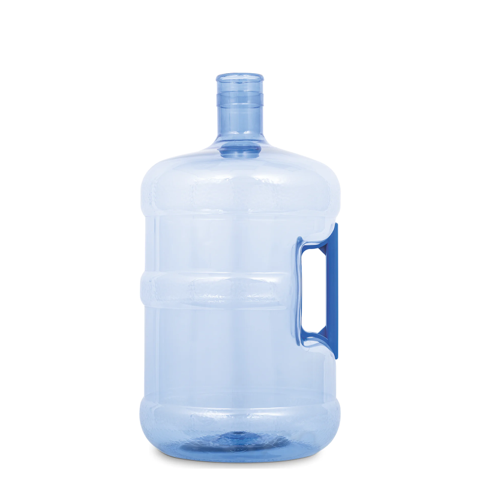
Are you trying to drink more water for your health, only to leach synthetic chemicals back into your body through cheap plastic containers?
How Premium Coolers Maintain Water Purity After Filtration
Even the most advanced filtration system fails if the water sits in cheap plastic internal parts before reaching your glass. Many conventional coolers rely on low-grade plastic tubing or reservoirs that can leach chemicals, defeating the purpose of sourcing bpa free water. In our Dispenser Digest analysis, we always prioritize systems that prevent clean water from contacting unstable materials right at the point of dispense.
To prevent chemical leaching, premium manufacturers utilize superior materials. Brio constructs their dispensers with 100% food-grade stainless steel reservoirs. This material guarantees purity and longevity by eliminating plastic contact inside the heating and cooling chambers. Whether you hook up a heavy gallon bpa free water bottle or use a convenient water dispenser bottom loading model, these robust steel reservoirs ensure your drinking water remains completely untainted.
Maintaining purity also requires protection against microbial growth. Highly rated systems from Brio, such as their 520 Series Tri-Temp, feature integrated UV CARE™ technology. This automatic self-cleaning system sanitizes the internal stainless steel reservoirs using ultraviolet light. It eliminates bacteria and biofilms without relying on harsh chemical disinfectants, ensuring your family enjoys clean, non-toxic hydration daily.
FAQs About BPA-Free Water and Storage
Do standard refrigerator filters remove BPA from tap water?
Most standard refrigerator carbon filters are designed only for chlorine taste and odor, not complex chemical extraction. In our Dispenser Digest reviews, we always recommend dedicated multi-stage filtration systems to ensure you are drinking bpa free water. For the highest level of filtration, bottleless water coolers with reverse osmosis technology are much more effective at removing chemical contaminants than basic fridge pitchers.
How can I tell if my existing water dispenser or bottle contains BPA?
Look closely at the recycling code stamped on the bottom of the plastic container. If you spot a number 7 and it does not explicitly state it is a water bottle free from bpa, it may contain bisphenols. Premium brands like Brio clearly label their products and offer dedicated collections of certified containers, including their popular gallon bpa free water bottle options.
What is the safest way to clean and sanitize BPA-free plastic bottles?
Avoid using harsh chemical cleaners or boiling water, which can degrade the integrity of the material over time. Wash them by hand using mild dish soap, warm water, and a non-abrasive brush. For automated sanitization, choosing a cooler with built-in UV CARE™ technology helps maintain clean stainless steel reservoirs naturally without any chemical additives.
Can I use glass bottles with standard bottom-loading water coolers?
Standard water dispenser bottom loading models are calibrated for plastic bottles that flex under pump pressure. Heavy glass bottles cannot compress as water is drawn out, which can create a vacuum and damage the internal pump. If you prefer to avoid plastic entirely, a porcelain ceramic water dispenser is a highly rated alternative for countertop use.
Ready to see it for yourself? Brio Water has the full range.
This post contains affiliate links. If you buy through them we may earn a commission at no extra cost to you.
Information in this article was accurate at the time of writing. Prices, availability and product details change often — please check the supplier's website for the most current information.
Opinions expressed are those of the author and do not necessarily represent those of the brand.
Image credits: Brio Water (1), Brio Water (2). All product imagery belongs to Brio Water.


Comments
Post a Comment